Maruti Baleno : Maruti Suzuki’s Baleno continues to be one of the most popular premium hatchbacks in India, and the latest updates and rumours for 2026 are shaping it into a more feature‑rich, safer, and slightly more modern car.
While the core platform remains unchanged, dealers, media leaks, and industry chatter point to a subtle facelift, small feature upgrades, and tighter pricing—thanks in part to recent GST changes.
For buyers in the ₹6–8 lakh segment, the Baleno is morphing into a sharper alternative to rivals like the Hyundai i20 and Tata Altroz, especially for those who value fuel efficiency, space, and brand trust.
What’s Changing in 2026?
The biggest news around the 2026 Baleno is the upcoming mid‑cycle refresh, expected to land in showrooms around April–May 2026.
Unlike a full redesign, this update is largely cosmetic and feature‑driven, with the car retaining the same 1.2‑litre DualJet petrol engine that makes about 89 bhp and 113 Nm, paired with a 5‑speed manual or an automatic option.
Under the skin, Maruti Suzuki is not changing the basic architecture, so driving dynamics and overall space will stay similar to the current second‑generation model launched in 2022.
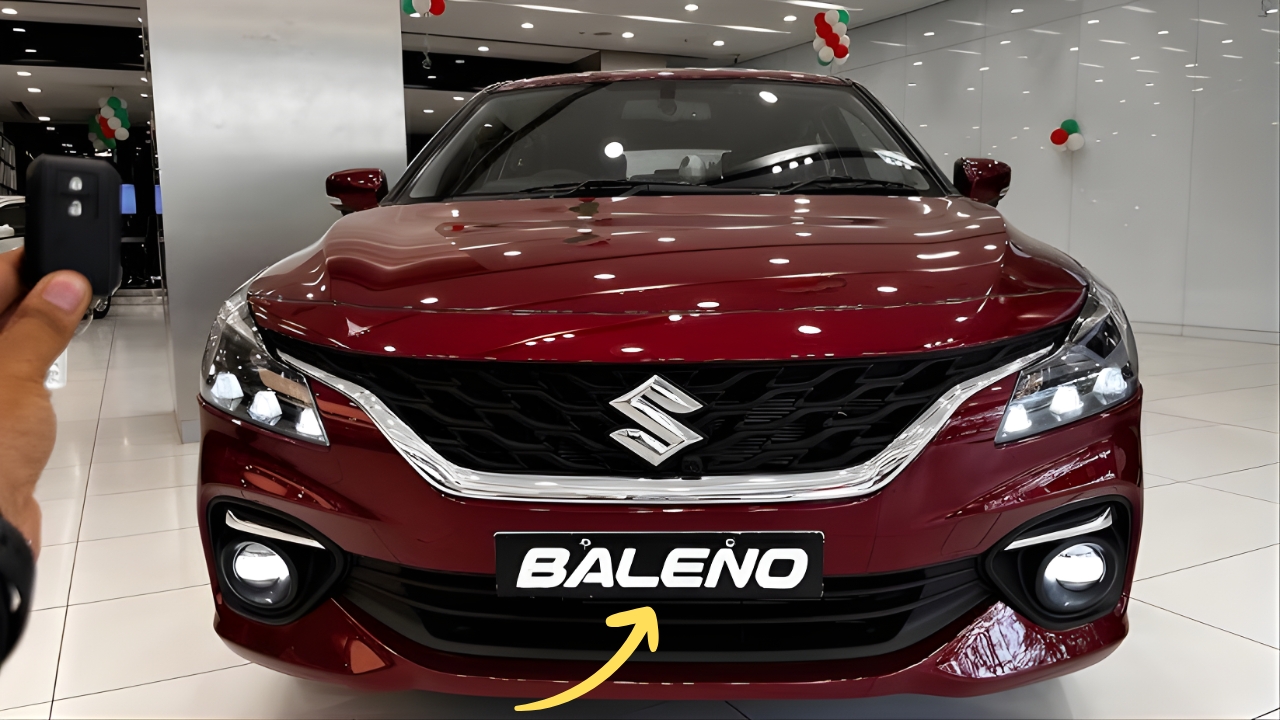
On the outside, expect a refreshed front grille, a redesigned bumper, updated headlamps with new DRL signatures, and possibly a tweaked rear lighting layout.
The side profile will likely get a new alloy‑wheel design, while interior changes will focus on the dashboard design and material quality.
These tweaks are meant to keep the Baleno’s look aligned with Maruti’s newer Nexa models such as the Fronx and Grand Vitara, without diluting the hatchback’s identity.
Cabin, Tech, and Safety Upgrades
The 2026‑style Baleno cabin is expected to take design cues from Maruti’s latest models, including a more modern dashboard layout and improved upholstery options.
One of the headline upgrades will likely be a larger free‑standing SmartPlay Pro+/Pro+‑grade infotainment screen with a 9‑inch HD touchscreen, offering wireless Apple CarPlay, Android Auto, and possibly Alexa‑linked voice commands.
Higher trims could also get a fully digital driver’s display, elevating the cockpit feel in a segment that still relies heavily on analogue gauges.
Comfort and convenience features are also expected to grow. Potential additions include an electric sunroof, ventilated front seats, a 360‑degree parking camera, and wireless phone charging—features that are slowly becoming benchmarks in the “premium” hatchback space.
On the safety front, Baleno already comes with six airbags as standard across variants, and the latest Bharat NCAP tests gave it a 4‑star rating, which adds credibility with family‑oriented buyers.
Pricing, Tax Cuts, and Market Position
Current pricing for the Nexa Baleno starts around ₹5.99 lakh (ex‑showroom), with top variants climbing closer to ₹9–10 lakh depending on features and location.
The 2026 refresh is unlikely to cause a major price spike; instead, Maruti is expected to use the new GST structure to keep the car competitive, especially in the sub‑₹7 lakh bracket.
With recent GST cuts on small cars equipped with CNG, hybrid, and certain petrol engines, the company may also leverage this to push CNG‑based or upcoming hybrid‑oriented Baleno variants down the line.
In the showroom, the Baleno continues to sit above regular superminis like the Swift and Alto, while competing with the Hyundai i20, Tata Altroz, and Kia Carens in the “premium” segment.
Its appeal comes from a long wheelbase‑driven cabin space, a relatively tall seating posture, and Maruti’s reputation for low running costs and strong service‑network availability.
For urban buyers in cities like Delhi, Mumbai, and Bengaluru, the Baleno’s blend of practicality and fuel efficiency makes it a strong choice for daily commuting as well as occasional highway runs.
Hybrid Hints and Future Variants
Beyond the 2026 facelift, there are strong hints that Maruti is working on a hybrid‑powered Baleno closer to the end of 2026 or early 2027.
The next‑gen version is expected to carry a 1.2‑litre mild/micro‑hybrid setup from the company’s new “Series Hybrid” family, which could push real‑world fuel efficiency beyond 30–35 kmpl in mixed driving.
This move would position the Baleno as one of the most fuel‑sipping hatchbacks in India and align it with Maruti’s broader push toward electrification without jumping directly into full EVs.
At the same time, the company is also experimenting with GST‑friendly configurations that could bring a more affordable hybrid variant into the ₹6–7 lakh band.
For buyers who are not ready to pay a heavy premium for EVs but still want better mileage and lower emissions, a hybrid Baleno could be a compelling compromise.
Maruti Baleno : Final Thoughts for Buyers
For 2026, the Baleno’s story is less about revolutionary change and more about refinement. A slightly sharper exterior, a more modern cabin, and incremental tech upgrades will keep it relevant in a hatchback segment that is slowly shifting toward digital cockpits and connected features.
Also Read This : Privacy Policy
For Indian buyers who prioritise value, space, and low running costs over outright performance, the refreshed Baleno remains a very sensible choice—especially if you test‑drive it alongside the Altroz and i20 to see which cabin feel and feature set suits your lifestyle the most.